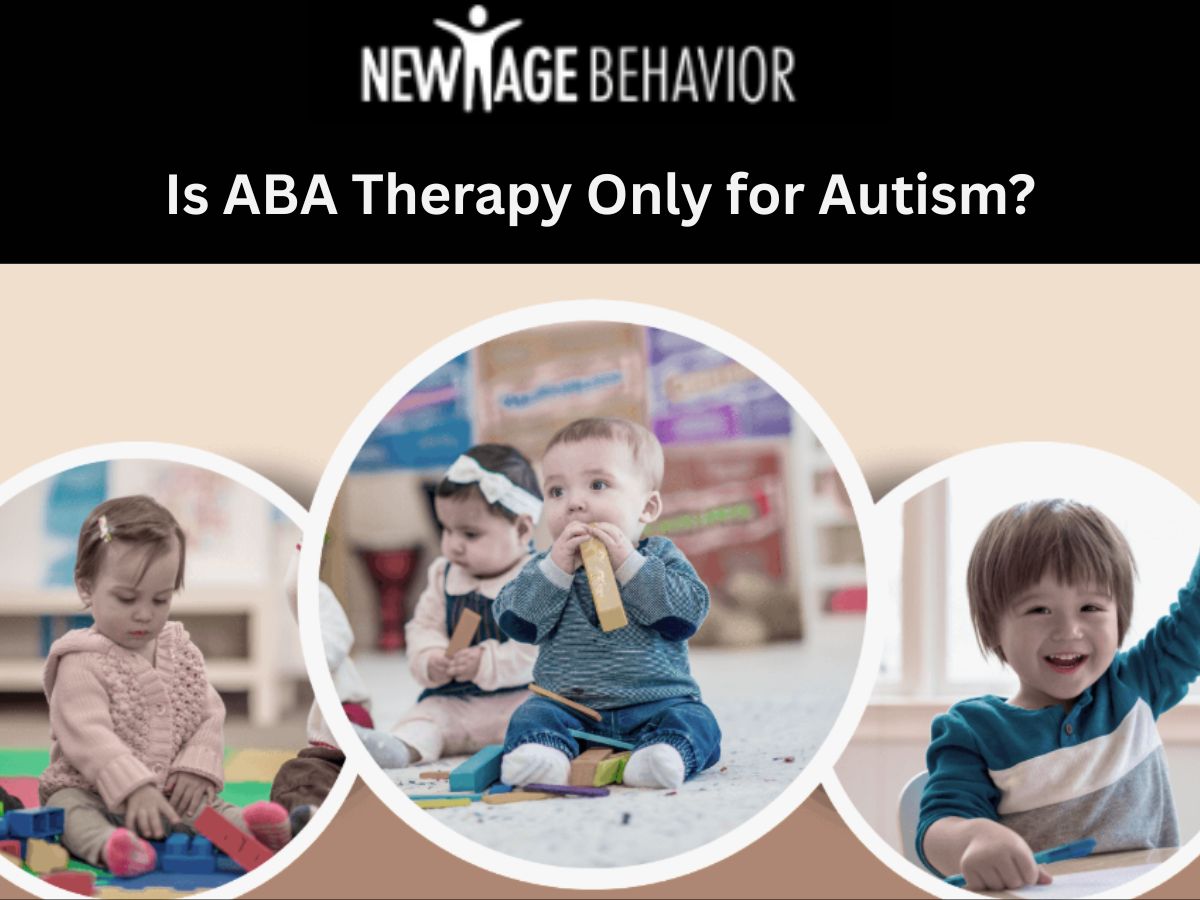
Many parents and caregivers ask “Is ABA therapy only for autism?” because it is one of the most well-known therapies for Autism Spectrum Disorder (ASD). This belief is understandable since ABA has been used for many years to help autistic individuals improve communication, social skills, and daily living abilities. However, ABA is not limited to autism, and its benefits can extend to people with other developmental and behavioral needs depending on their individual goals.
The truth is that ABA is not a therapy designed for just one diagnosis. It is an evidence-based approach that helps people learn new skills, develop positive behaviors, and overcome challenges that affect everyday life. Depending on a person’s needs ABA may also be helpful for individuals with ADHD developmental disabilities and certain neurological conditions.
Keep reading to learn what ABA therapy is, why it is closely linked to autism and how it can benefit people beyond the autism spectrum. You will also learn about ABA therapy for ADHD modern treatment approaches and the situations where ABA may or may not be the right choice.
How ABA Therapy Works
ABA therapy begins with an assessment by a Board Certified Behavior Analyst (BCBA) to understand the individual’s strengths, challenges, and goals. Based on the results, a personalized treatment plan is created to focus on skills that improve everyday life.
During therapy, progress is regularly monitored and the plan is adjusted as needed. Through consistent practice and positive reinforcement, individuals gradually build communication, social, and daily living skills while becoming more confident and independent.
Understanding ABA Therapy
Is ABA Therapy Only for Autism?
Many people believe that Applied Behavior Analysis (ABA) is only for individuals with Autism Spectrum Disorder (ASD). This is a common misconception because ABA has been widely used in autism treatment for decades. In reality, ABA is a science-based approach that focuses on improving behavior and teaching practical life skills, making it useful for more than one diagnosis.
Why Is ABA Closely Associated With Autism?
ABA is most often linked to autism because extensive research has shown that it helps many autistic individuals improve communication, social interaction, daily living skills, and independence. As a result, healthcare providers and insurance companies frequently recommend ABA as part of an autism treatment plan, which has strengthened this association over time.
ABA Is Not Limited to Autism
Although autism is the most common reason someone receives ABA therapy, the methods used in ABA are not exclusive to Autism Spectrum Disorder. Because the therapy focuses on how people learn and develop positive behaviors, it can also support individuals with other developmental, behavioral, and neurological conditions when appropriate.
ABA Therapy for ADHD and Other Conditions
In some cases, ABA therapy for ADHD can help children improve attention, follow routines, manage impulsive behaviors, and build positive habits. ABA may also benefit individuals with developmental disabilities or certain neurological conditions by teaching communication, emotional regulation, self-care, and other everyday life skills.
Personalized Therapy for Individual Needs
Every ABA program is customized to the individual’s strengths, challenges, and goals. A Board Certified Behavior Analyst (BCBA) carefully evaluates each person before creating a treatment plan, ensuring that therapy focuses on meaningful skills that improve independence and quality of life rather than following a one-size-fits-all approach.
How ABA Therapy Supports Individuals With Autism
Building Communication Skills
Communication is one of the primary areas where ABA therapy can make a meaningful difference for many autistic individuals. Some children struggle to express their needs verbally, while others may have difficulty understanding conversations, following directions, or participating in social interactions. These communication challenges can lead to frustration and make everyday situations more difficult.
ABA therapy focuses on teaching functional communication that improves daily life. Depending on the individual’s needs, therapy may involve spoken language, sign language, picture communication systems, or other alternative communication methods. The goal is not simply to increase vocabulary but to help the individual communicate effectively in ways that are meaningful and practical.
As communication skills improve, many individuals become more confident and experience fewer situations where frustration leads to challenging behaviors. Families often notice that daily routines become smoother because their child is better able to express wants, needs, and emotions.
Improving Social Interaction
Social skills can be challenging for many autistic individuals because understanding conversations, taking turns, recognizing social cues, and building friendships often require skills that do not develop naturally.
ABA therapy provides structured opportunities to practice these interactions in supportive environments. Rather than forcing specific social behaviors, therapists focus on helping individuals build skills that make communication and relationships easier within their own comfort level.
Through repeated practice and positive reinforcement, individuals learn how to participate more confidently in school, family activities, and community settings. These improvements often increase independence while reducing stress in social situations.
Teaching Daily Living Skills
Daily living skills are essential for long-term independence. Many ABA programs include goals that help individuals manage everyday routines more successfully, including personal hygiene, dressing, preparing simple meals, organizing belongings, and completing household responsibilities.
Therapists break larger routines into manageable steps, allowing individuals to master one skill before moving to the next. As confidence grows, these separate skills become part of independent daily routines that improve overall quality of life.
For many families, success is measured not by dramatic changes but by steady progress that makes everyday activities easier and less stressful.
Managing Challenging Behaviors
One of the most misunderstood aspects of ABA is its approach to challenging behaviors. Modern ABA does not simply attempt to stop behaviors. Instead, therapists work to understand why those behaviors occur and teach safer, more effective alternatives.
For example, if a child becomes upset because they cannot communicate their needs, the therapist first identifies the reason behind the behavior. Therapy then focuses on teaching functional communication that helps the child express those needs more successfully.
By addressing the underlying cause instead of only the behavior itself, ABA helps create meaningful and lasting improvements that support learning, independence, and overall well-being.
Why ABA Is Closely Linked to Autism
ABA became closely associated with autism because decades of research have demonstrated that many autistic individuals benefit from structured, individualized behavioral interventions. These studies have shown improvements in communication, social interaction, daily living skills, and adaptive behavior for many participants when therapy is tailored to their personal goals.
As awareness of autism increased, so did the demand for specialized services. Schools, healthcare providers, and insurance companies began recognizing ABA as one of the most researched interventions available for autism. This widespread adoption strengthened the connection between ABA and autism in the public’s mind.
Today, many ABA clinics primarily serve autistic children because that is where demand is highest. However, this does not mean the methods themselves are exclusive to autism. Instead, it reflects where the largest amount of clinical research and funding has historically been directed.
Modern ABA has also evolved significantly over the years. Current best practices focus on improving quality of life, respecting individual preferences, promoting independence, and teaching meaningful skills that support long-term success rather than simply reducing behaviors.
Who Else Can Benefit From ABA?
Although autism remains the most common reason someone receives ABA therapy, there are situations where individuals without autism may also benefit from behavioral interventions. The decision depends on the person’s needs rather than their diagnosis.
For example, some children who have difficulty following routines, managing emotions, or developing communication skills may benefit from structured behavioral teaching. In certain situations, ABA therapy for ADHD can help children improve organization, complete daily tasks, and strengthen self-management skills when these goals are part of a broader treatment plan.
Behavior analysis may also support some individuals with developmental disabilities, intellectual disabilities, or certain neurological conditions that affect learning, communication, or independence. Therapy focuses on practical skills that improve everyday functioning instead of attempting to treat the underlying medical condition itself.
The most effective treatment plans are always individualized. A qualified behavior analyst carefully evaluates whether ABA is appropriate or whether another therapy,or a combination of therapies,would better meet the individual’s goals.
Conclusion
ABA therapy is not only for autism. While it is one of the most effective and widely used therapies for individuals with Autism Spectrum Disorder, its principles can also benefit people with ADHD, developmental disabilities, and certain neurological conditions when the goals focus on improving behavior, communication, and daily living skills.
The key is choosing the right therapy based on the individual’s unique needs rather than the diagnosis alone. A qualified Board Certified Behavior Analyst (BCBA) can evaluate whether ABA is appropriate or if it should be combined with other therapies such as speech or occupational therapy. With a personalized approach and realistic goals, ABA can help individuals build practical skills, increase independence, and improve their overall quality of life.
FAQs
Is ABA therapy only for autism?
No. Although ABA therapy is most commonly used for Autism Spectrum Disorder, it can also help individuals with ADHD, developmental disabilities, and certain neurological conditions when behavior-based interventions are appropriate.
Can ABA therapy help children with ADHD?
Yes. ABA therapy for ADHD can help some children improve focus, follow routines, manage impulsive behaviors, and develop positive daily habits. It is often used alongside other treatments rather than as the only therapy.
What age is best to start ABA therapy?
Early intervention often provides the best outcomes, but ABA therapy can benefit children, teenagers, and adults. Treatment plans are customized based on each person’s age, abilities, and goals.
How does ABA therapy work?
ABA therapy uses positive reinforcement and structured teaching to help individuals learn new skills and improve behaviors. A personalized treatment plan is created after an assessment by a Board Certified Behavior Analyst (BCBA).
Can ABA therapy help people without autism?
Yes. Depending on the individual’s needs, ABA may support people with ADHD, developmental disabilities, and some neurological conditions by teaching communication, self-care, social, and daily living skills.
Is ABA therapy evidence-based?
Yes. ABA is considered an evidence-based therapy with decades of research supporting its effectiveness, particularly for individuals with Autism Spectrum Disorder.
Does ABA therapy use punishment?
Modern ABA focuses on positive reinforcement, skill building, and individualized teaching strategies. Ethical ABA programs emphasize encouragement and meaningful learning rather than punishment.
How long does ABA therapy take?
The length of therapy varies depending on the individual’s needs, goals, and progress. Some people benefit from a few hours each week, while others may require a more intensive program.
Can ABA therapy be combined with other therapies?
Yes. ABA is often combined with speech therapy, occupational therapy, physical therapy, or counseling to provide more comprehensive support based on the individual’s needs.
How do I know if ABA therapy is right for my child?
The best way to determine whether ABA is appropriate is to schedule an evaluation with a qualified BCBA or healthcare professional. They can assess your child’s strengths, challenges, and goals before recommending the most suitable treatment plan.
Read more about: Signs of autism in toddlers babies