

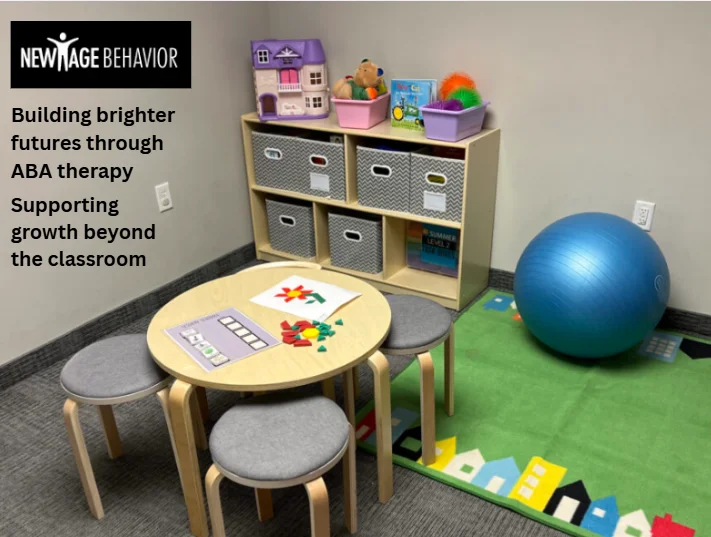
School is more than just a place to learn reading, writing, and math. For many children, it is also where they learn how to communicate, make friends, follow routines, and feel confident in themselves. For children with autism, these everyday school experiences can sometimes feel overwhelming. They may struggle with attention, social interaction, or understanding classroom expectations.
This is where school-based ABA therapy can make a meaningful difference. It brings structured, supportive learning right into the classroom so children can learn in a way that fits their individual needs.
What Is School-Based ABA Therapy?
School-based ABA therapy is a structured support approach where behavioral therapy is provided during the school day. ABA stands for Applied Behavior Analysis, a method that helps children learn positive behaviors and reduce behaviors that may interfere with learning.
Instead of separating therapy from school, this approach blends support into daily classroom activities. The child learns while participating in real school routines like group work, lessons, and transitions between activities.
How ABA Therapy at School Helps Children Learn Better
When ABA therapy is used in a school setting, it focuses on helping children succeed in the exact environment where they face challenges.
For example, a child who has difficulty following instructions may receive step-by-step guidance during class activities. If a child struggles to communicate needs, the therapist may help them use words, visuals, or gestures in real time.
Over time, this support helps children understand classroom expectations more clearly and feel more comfortable participating in learning activities. It is not just about behavior correction—it is about building skills that make learning easier and less stressful.
Why ABA Therapy in School Settings Matters
A school environment can be fast-paced and full of sensory and social demands. Children with autism may feel lost or anxious without the right support.
ABA therapy at school helps by breaking tasks into smaller, manageable steps and reinforcing positive behavior as it happens. This makes it easier for the child to stay engaged and feel successful throughout the day.
It also helps teachers by providing strategies that support the child’s learning style, so the classroom becomes more inclusive and structured for everyone.
What In-School ABA Therapy Looks Like
In many cases, a behavior plan is created based on the child’s individual strengths and challenges. A trained behavior analyst designs this plan, and therapists work closely with teachers to apply it during the school day.
Support may include helping the child transition between activities, encouraging participation during group lessons, or teaching communication skills during natural classroom moments.
The goal is not to separate the child from the classroom, but to help them fully take part in it.
Long-Term Benefits for Students
With consistent support, children often become more independent in school. They may start following routines more easily, interacting better with classmates, and completing tasks with less frustration.
In-school support also helps children build confidence. When they experience small successes every day, school becomes a more positive and encouraging place for them.
Who This Type of Support Helps
In-school ABA therapy is often helpful for children who are on the autism spectrum or those who struggle with communication, behavior regulation, or social skills in classroom settings. It is especially useful for students who need structured guidance to stay engaged in learning.
Our Team Approach
Support works best when everyone is on the same page. That’s why school-based support is built through teamwork between families, school staff, and ABA professionals.
The team includes experienced BCBAs, school consultants, and RBTs who work directly with educators to understand each child’s needs and apply strategies in real classroom situations. Instead of general methods, they create simple, practical plans that help children learn and behave better during school activities.
Leaders like Laura Orlando (BCBA & Founder) and Jesse Hill (Clinical Director & BCBA) help guide these plans to make sure they are effective, structured, and focused on real progress.
This teamwork ensures consistent support for the child both in school and at home, helping them feel more stable, confident, and ready to learn.
Final Thoughts
School should feel like a place where every child has the chance to grow, learn, and feel capable. For children with autism, the right support can turn daily school challenges into learning opportunities.
When therapy is brought into the classroom, children are not just learning skills—they are learning how to use those skills in real life, with real people, in real moments that matter.
FAQs
What does school-based ABA therapy focus on?
It focuses on helping children improve learning behavior, communication, and classroom participation in real school environments.
Is ABA therapy only for behavior problems?
No, it also supports communication, social skills, attention, and learning independence, not just behavior challenges.
How does ABA therapy at school help teachers?
It gives teachers structured strategies to support students more effectively and create a more inclusive classroom environment.
Can ABA therapy improve classroom performance?
Yes, many children show better focus, participation, and understanding of lessons when they receive consistent support in school.
Read more about: What is autism spectrum disorder
