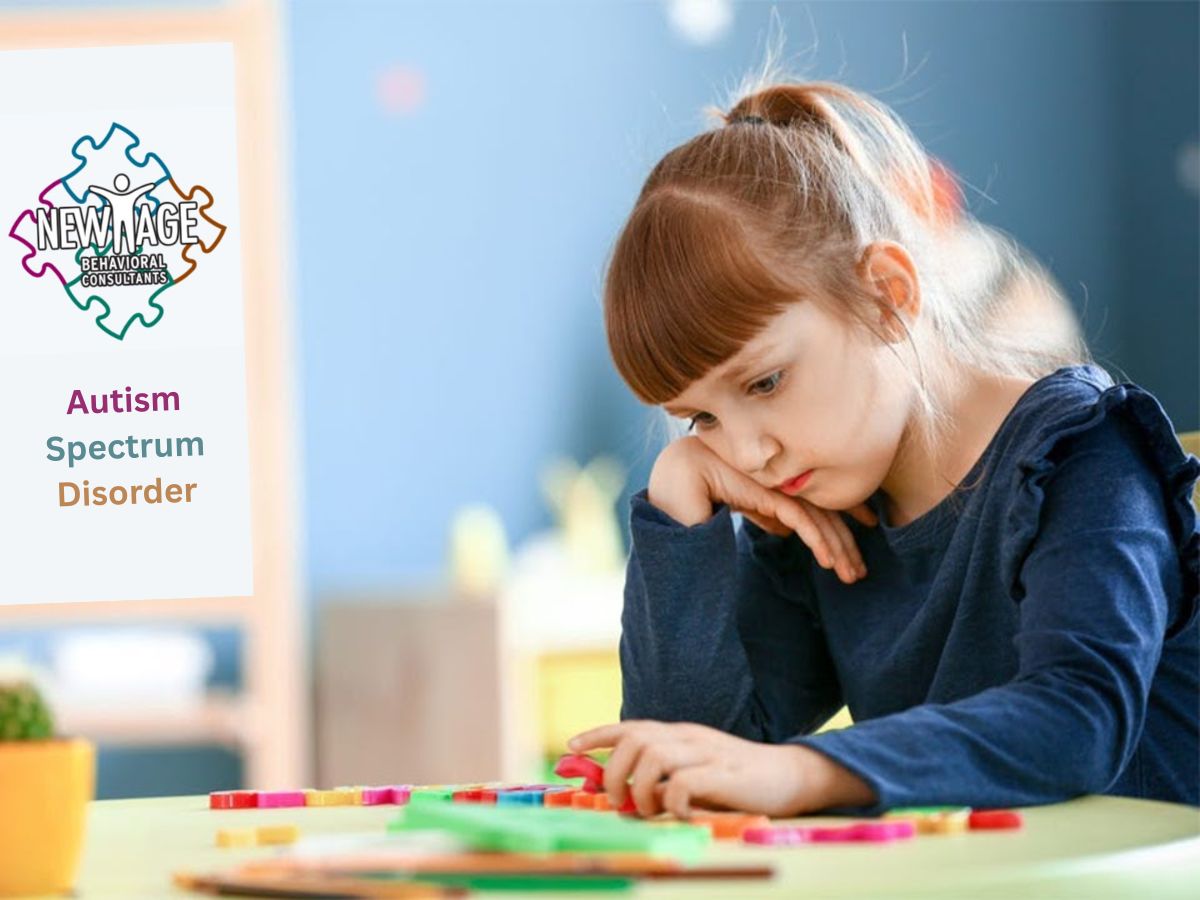
For many parents, hearing the word autism for the first time can feel deeply emotional. Suddenly, your mind fills with questions about your child’s future, development, and how to give them the support they need.
- Why does my child behave differently?
- Why are communication or social interactions harder?
- Should I be worried?
The more people search online, the more confusing the information sometimes becomes.
The good news is that understanding autism does not have to be complicated. Once you learn the basics, things begin to make more sense. So,
What is autism spectrum disorder?
It is a developmental condition that affects how a person communicates, interacts socially, behaves, and experiences the world around them. Every child with autism is different, which is why it is called a spectrum. Some children may need significant support in daily life, while others may live independently with only minor challenges.
Over the years, awareness and understanding have improved, but many families still struggle to find clear and simple information. This guide explains everything in plain human language so parents can better understand signs, causes, treatment options, and what life on the spectrum may look like.
Understanding ASD
To truly understand autism spectrum disorder, it helps to know that autism is not an illness that looks the same in every person. It affects children differently depending on their communication style, behavior patterns, learning abilities, and sensory experiences.
Some children may avoid eye contact and struggle with conversation, while others may speak fluently but have difficulty understanding emotions or social cues. A child may be highly sensitive to sound, light, or touch, while another may constantly seek sensory stimulation.
The reason experts use the term autism spectrum condition is that there is a wide range of experiences and support needs within autism itself. No two children are exactly alike.
What Does Autism Spectrum Mean?
Many parents hear the phrase autism spectrum and wonder what it actually means.
The word “spectrum” refers to the broad range of symptoms, strengths, and challenges associated with autism. Some individuals may require full-time support, while others may attend regular schools, develop strong academic skills, and live independently as adults.
The concept of the autism spectrum also recognizes that autism is not simply “mild” or “severe.” A child may be highly intelligent academically but still struggle socially or emotionally. Another child may have limited verbal communication but show exceptional abilities in memory, art, or problem-solving.
Because autism affects every person differently, treatment and support plans should always be individualized.
Autism Spectrum Disorder Symptoms in Children
One of the biggest concerns parents have is recognizing ASD symptoms early enough to seek help.
Symptoms often appear during early childhood, although some signs can be noticed even before a child turns two years old. These signs may involve communication, social interaction, repetitive behaviors, or sensory sensitivities.
Children with autism may respond differently to their environment. Some may not respond to their name consistently. Others may avoid physical affection or struggle to understand facial expressions and emotions. Delayed speech development is another common sign.
In many cases, autistic disorder symptoms become more noticeable as social expectations increase with age. A child who seemed quiet as a toddler may later struggle in school settings that require communication and peer interaction.
Which of the Following Exemplifies a Symptom of Autism Spectrum Disorder?
Parents and teachers often ask questions like, Which of the following exemplifies a symptom of autistic disorder?
The answer depends on the child, but some common examples include limited eye contact, delayed speech, repetitive movements, strict routines, intense focus on specific interests, or difficulty understanding social interactions.
If someone asks, which of the following is an example of a symptom of ASD? It’s important to understand that there is no single universal symptom. Autism can appear differently in every child.
For one child, a symptom might involve repeated hand movements or sensitivity to noise. For another, it may involve trouble forming friendships or understanding conversation patterns.
Early Signs Parents Should Not Ignore
Recognizing early developmental differences can make a major difference in long-term progress.
Some children show signs during infancy, while others display symptoms gradually over time. Parents may notice delayed speech, reduced interest in social interaction, repetitive play habits, or unusual reactions to sensory experiences.
Children on the autism spectrum sometimes become deeply focused on routines. Small changes in daily activities may trigger frustration or emotional distress.
Another common concern is difficulty with communication. A child may repeat words without understanding them fully or may struggle to express needs clearly.
Early support is important because the brain develops rapidly during childhood. The sooner children receive proper intervention, the greater the opportunity for skill development and independence later in life.
What Causes Autism Spectrum Disorder?
One of the most searched questions online is what causes autism.
Researchers still do not have one single answer, but evidence strongly suggests that autism develops from a combination of genetic and developmental factors. It is not caused by parenting style, emotional neglect, or lack of discipline.
Studies show that certain genetic differences may increase the likelihood of autism. Environmental influences during pregnancy and early brain development may also play a role.
When discussing what causes ASD, experts emphasize that autism is complex. There is no single event or factor responsible for every case.
It is also important to understand that vaccines do not cause autism. Large scientific studies around the world have repeatedly shown no connection between vaccines and autism.
High-Functioning Autism and Daily Life
Many families hear the phrase high functioning autism and assume it means a person has no difficulties. In reality, that is not always true.
People with high-functioning autism may have strong language skills and average or above-average intelligence, but they can still struggle with social communication, emotional regulation, sensory sensitivities, or adapting to change.
A child may perform extremely well academically but feel overwhelmed in social situations. Others may struggle with anxiety because they interpret conversations or emotions differently from their peers.
Support is still important, even for individuals who appear highly independent from the outside.
A common question parents ask is: Is autism a disability?
The answer depends on how autism affects daily functioning. In many cases, autism is recognized as a developmental disability because it can impact communication, learning, behavior, and independent living skills.
However, autism exists on a spectrum. Some individuals may require extensive daily support, while others may live independently and maintain successful careers.
Understanding whether autism is a disability that applies to a specific child often depends on the level of support they need at home, school, and in social settings.
Many autistic individuals also view autism as a neurological difference rather than something purely negative. Perspectives can vary from family to family and person to person.
Autism Spectrum Disorder Treatment Options
Parents naturally want to know about ASD treatment after receiving a diagnosis.
There is no single cure for autism, but there are many therapies and support strategies that can improve communication, behavior, emotional regulation, and independence.
The goal of autistic disorder treatment is not to change a child’s personality. Instead, treatment focuses on helping children develop important life skills and navigate daily challenges more comfortably.
Support may include speech therapy, occupational therapy, behavioral therapy, social skill development, and educational support. Some children benefit from structured learning environments, while others respond better to play-based interventions.
Every child responds differently, which is why personalized treatment plans are essential.
How Autism Affects Communication and Social Interaction
One of the defining characteristics of autism spectrum conditions involves communication differences.
Some children may speak very little, while others may develop advanced vocabulary but struggle with conversational flow or emotional understanding. Social interaction can also feel confusing or exhausting for some individuals on the spectrum.
Children on the autism spectrum may interpret body language, tone of voice, or facial expressions differently from other children. This can affect friendships and classroom interactions.
It is important to remember that communication challenges do not mean a child lacks intelligence or emotions. Many autistic individuals simply experience and express communication differently.
Emotional and Sensory Experiences in Autism
Children with autism often process sensory information differently.
Sounds, textures, lights, or crowded environments may feel overwhelming. A child may cover their ears in noisy environments or avoid certain clothing textures because they feel uncomfortable.
Emotional regulation can also be challenging. Sudden changes in routine may create stress or frustration because predictability often provides comfort and security.
Understanding these sensory and emotional experiences helps parents respond with patience and support rather than punishment or criticism.
Why Early Diagnosis Matters
Receiving an early diagnosis can help children access support during important developmental years.
When autism spectrum disorder symptoms are recognized early, therapists and specialists can begin working on communication, learning, behavior, and social development sooner.
Early intervention does not change who a child is. Instead, it helps them build skills that improve confidence, independence, and quality of life over time.
Living with Autistic Disorder
Life with autism can look different for every family.
Some children may need ongoing support throughout life, while others become highly independent adults. Many autistic individuals develop meaningful relationships, careers, hobbies, and talents.
Understanding autism spectrum conditions ultimately means recognizing both the challenges and strengths associated with them.
With proper support, patience, acceptance, and individualized care, many children on the spectrum continue to grow and thrive in their own unique ways.
Final Thoughts
Learning about what autism spectrum conditions are can feel overwhelming at first, but knowledge often brings reassurance and clarity.
Understanding autistic disorder, recognizing ASD symptoms, and learning what causes autism spectrum disorder help parents make informed decisions for their children.
Whether a child requires minimal support or more structured intervention, the goal is always the same: helping them communicate, grow, and feel understood.
The journey may look different for every family, but support, education, and early guidance can make a meaningful difference over time.
People Also Ask
What is autism spectrum disorder in simple words?
ASD is a developmental condition that affects communication, social interaction, behavior, and how a person experiences the world around them.
What are common autistic disorder symptoms?
Common symptoms may include delayed speech, repetitive behaviors, social difficulties, sensory sensitivities, and communication challenges.
What causes ASD?
Research suggests autism develops from a combination of genetic and developmental factors rather than a single known cause.
Is autism a disability?
In many cases, autism is considered a developmental disability because it can affect daily functioning and independence.
Can high-functioning autism still require support?
Yes. Individuals with high-functioning autism may still struggle with emotional regulation, social interaction, anxiety, or sensory sensitivities.
What treatments are available for autism?
Autistic disorder treatment may include behavioral therapy, speech therapy, occupational therapy, educational support, and social skill development.
Can autism be diagnosed early?
Yes. Some signs may appear before age two, although diagnosis timelines can vary between children.
Read More About: What is ABA Therapy?