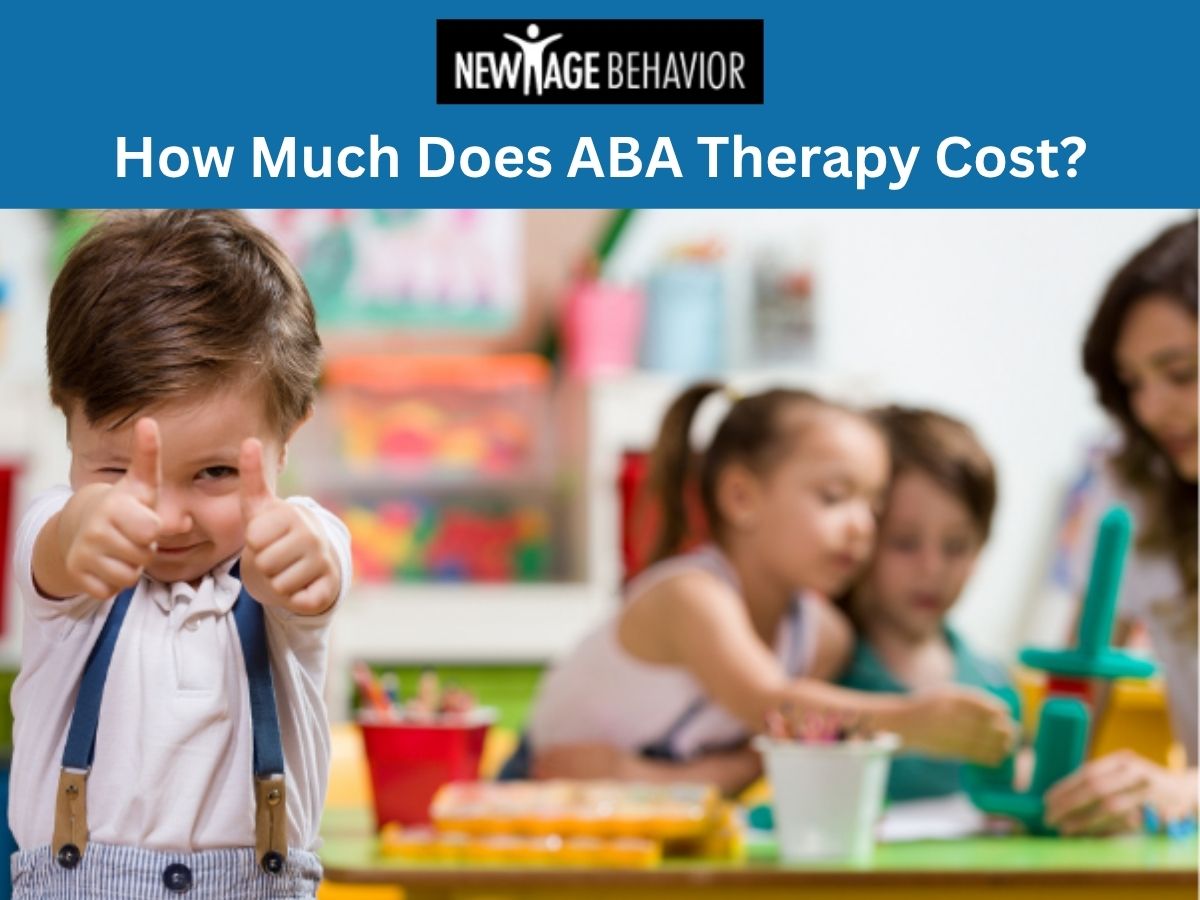
The cost can vary significantly depending on your child’s needs, the number of therapy hours, provider, location, treatment setting, and ABA therapy evaluation fees. Insurance or Medicaid may cover some of the expense, which can reduce your out-of-pocket costs. How long ABA therapy sessions last can also affect the overall cost, so getting a personalized estimate before starting treatment is important.
If you are trying to figure out how much does ABA therapy cost, you are probably looking for more than a single price tag. ABA therapy costs can vary widely depending on your location, provider, treatment setting, number of weekly hours, and insurance coverage. Some families may pay a manageable amount after insurance, while others may face much higher costs when paying privately.
The good news is that the advertised hourly rate does not always equal your actual out-of-pocket cost. Deductibles, copays, coinsurance, Medicaid, insurance benefits, and provider network rules can all change what you ultimately pay. Understanding these factors before starting treatment can make it much easier to plan ahead and avoid unexpected expenses.
An ABA therapy evaluation is usually an important first step because it helps the treatment team understand your child’s strengths, needs, skills, and behavior. From there, the provider can recommend a treatment plan that fits those needs. If you are also wondering how long are ABA therapy sessions, session length can vary depending on the child, treatment goals, and setting. This guide breaks down ABA therapy costs, evaluation expenses, session times, insurance, and the key questions to ask before choosing a provider.
Understanding ABA Therapy Before You Look at the Cost
ABA therapy is a personalized way of teaching skills through structured learning, practice, and positive reinforcement. The focus is on helping each person make progress in areas that matter in everyday life rather than using one fixed approach for every child.
For a child with autism, this may include learning to communicate needs, follow routines, interact with others, become more independent, or handle everyday situations more successfully. The goals can change as the child learns and develops.Because every ABA program is built around individual needs, the treatment schedule, services, and overall ABA therapy cost can be different for each family.
How Much Does ABA Therapy Cost Per Hour?
Private-pay ABA therapy often falls within a broad range of approximately $120 to $250 per hour in the United States. However, families should treat this as a general estimate rather than a standard national price. Providers in different cities and states may charge different rates, and assessment, supervision, direct therapy, and caregiver training may have different costs.
The professional providing the service can also affect the rate. A BCBA’s clinical assessment or supervision may be billed differently from direct therapy provided by a behavior technician. Some providers may combine certain services into their treatment structure, while others may bill them separately.
When comparing providers, it is therefore better to ask about the total expected cost of care rather than simply asking which provider has the lowest hourly rate. A lower hourly rate does not always mean a lower overall expense if additional services are charged separately.
ABA therapy cost Per Week?
The number of therapy hours each week has a major impact on total ABA costs. For example, if a provider charges $150 per hour, 10 hours of therapy would equal about $1,500 per week before insurance or other financial assistance. Twenty hours would equal approximately $3,000 per week, while 30 hours would equal around $4,500 per week.
These calculations are examples used to explain the cost structure. They should not be interpreted as recommendations for the number of hours a child should receive. ABA treatment should be individualized based on assessment, treatment goals, progress, and the child’s ability to participate comfortably and effectively.
Some children may receive a focused program with fewer weekly hours, while others may have a more comprehensive schedule. The right amount of therapy is determined by individual needs rather than by a universal number.
ABA therapy cost Per Month?
Monthly ABA therapy costs can vary significantly because weekly schedules can range from relatively limited services to intensive treatment. At a hypothetical rate of $150 per hour, 10 hours per week would equal approximately $6,000 over a four-week period before insurance. A 20-hour schedule would be around $12,000, while 30 hours would be approximately $18,000. These numbers represent gross private-pay costs. They do not necessarily represent what a family will actually pay.
For an insured family, the final cost may be much lower depending on the health plan. A family may have already met its deductible, for example, or may only be responsible for a copay or coinsurance amount for covered services. An out-of-pocket maximum may also limit how much the family pays for eligible covered care during the plan year. That is why a provider’s private-pay rate should be viewed as a starting point rather than the final answer to how much does ABA therapy cost.
ABA therapy cost Per Year?
Annual ABA expenses depend on the hourly rate and the number of weekly hours. Using a hypothetical $150 hourly rate, 10 hours of therapy per week would equal approximately $78,000 over 52 weeks before insurance. At 20 hours per week, the gross amount would be about $156,000, while 40 hours per week would equal approximately $312,000.
These figures can look extremely high because they represent the full private-pay calculation. Many families do not pay the entire gross amount because health insurance, Medicaid, or other financial resources may cover some eligible services.
The annual calculation is still useful because it shows how quickly therapy expenses can increase when treatment involves many hours every week. It also explains why checking insurance coverage before beginning treatment is such an important part of financial planning.
What Affects the Cost of ABA Therapy?
Your Child’s Needs
ABA therapy is tailored to each child, so the cost can depend on the type of support they need. A child working mainly on communication may have a different treatment plan from one who needs help with daily skills, social behavior, or learning.
Number of Therapy Hours
Weekly therapy hours have a direct effect on the overall cost. More hours generally mean higher expenses, but the right schedule should be based on your child’s goals and progress rather than simply choosing more therapy.
Provider and Professional Experience
The professionals involved can also affect pricing. A BCBA may handle assessments, treatment planning, supervision, and progress reviews, while a behavior technician may provide much of the direct therapy. Different services can therefore have different rates.
Where You Live
ABA therapy costs can vary by location. Providers in areas with higher operating and staffing costs may charge more, while local availability can also influence pricing. Home-based therapy may involve additional travel considerations.
Type of Treatment Setting
The setting can make a difference as well. ABA may take place at home, in a clinic, at school, or in the community. Each option has different practical considerations, so compare the full treatment cost and insurance coverage before making a decision.
What Is an ABA Therapy Evaluation?
It is an assessment used to understand a person’s current abilities, strengths, behavioral patterns, and treatment needs. It helps the clinical team identify meaningful goals and determine which types of ABA services may be appropriate.
An ABA evaluation should not automatically be confused with an autism diagnostic evaluation. An autism diagnostic evaluation focuses on determining whether an individual meets the criteria for autism spectrum disorder. An ABA evaluation is more focused on treatment planning and understanding the skills and behaviors that may benefit from intervention.
The evaluation gives the provider information that can be used to develop an individualized treatment plan. Instead of simply assigning the same therapy schedule to every child, the provider can use assessment results to determine which areas should receive attention and how progress can be measured.
What Happens During an ABA Therapy Evaluation?
It usually starts with a simple conversation about the child’s behavior, communication, daily routines, strengths, and areas where support is needed. The therapist may also observe the child during play or everyday activities to better understand their skills.
The evaluation may include skill assessments or other tools to identify specific needs. These findings help the provider set realistic goals and create a personalized treatment plan that fits the child.
How Much Does an ABA Therapy Evaluation Cost?
The cost of an ABA behavioral assessment varies by provider, location, insurance plan, and the type of assessment performed. Some providers may include certain assessment services within their intake process, while others may bill the evaluation separately.
Before scheduling an evaluation, parents should ask the provider for a clear explanation of the cost. It is useful to know whether the quoted price includes caregiver interviews, direct observation, assessment tools, scoring, clinical documentation, a written report, and treatment recommendations.
Families should also contact their insurance provider to determine whether the evaluation is covered and whether a deductible, copay, or coinsurance applies.Understanding the evaluation cost before the appointment can make it easier to create a realistic ABA therapy budget.
Why Is an ABA Therapy Evaluation Important?
An evaluation is important because effective ABA treatment should be based on individual needs. Without understanding the child’s current skills and behavioral patterns, it can be difficult to establish meaningful goals or determine which teaching strategies may be appropriate.The evaluation can also help identify areas where a child may need support and areas where the child already has useful skills.
For example, a child may have limited verbal communication but respond well to visual prompts, gestures, or preferred activities. Recognizing those strengths can help the treatment team design learning opportunities that are more engaging and practical.
The evaluation may also provide information that helps the provider determine whether a focused or more comprehensive treatment approach is appropriate.
How Does Insurance Affect ABA Therapy Cost?
Insurance can make a significant difference in the amount a family pays for ABA therapy. The provider may have a specific private-pay rate, but an insured family may only be responsible for a portion of the applicable cost. Insurance plans can involve deductibles, copays, coinsurance, network requirements, prior authorization, medical-necessity requirements, and other conditions.
The exact coverage depends on the policy and location. Families should contact their insurance provider and ask specifically about ABA services rather than relying on general assumptions about behavioral health coverage.
It is also important to determine whether the ABA provider is considered in the network. Using an in-network provider may result in a different financial responsibility than using an out-of-network provider.
What Is an ABA Therapy Deductible?
A deductible is the amount a person may need to pay for covered healthcare services before the insurance plan begins paying according to its benefit structure.
For example, a plan may have a $2,000 deductible. Depending on the policy, a family may need to pay eligible expenses toward that deductible before certain cost-sharing benefits apply. Not every insurance plan treats ABA services in exactly the same way, so families should review their individual policy.
Understanding ABA Therapy Deductibles Copays and Coinsurance
When planning for ABA therapy costs, it is important to understand how your insurance works. An ABA therapy deductible is the amount you may need to pay for covered services before your insurance begins sharing the cost. A copay is a fixed amount you pay for a covered service, while coinsurance is a percentage of the covered cost you pay after meeting any applicable deductible. Your exact responsibility depends on your insurance plan, the provider’s network status, and how ABA services are covered, so check your benefits before starting treatment.
Can an HSA or FSA Help Pay for ABA Therapy?
Some qualifying medical expenses may be paid through a Health Savings Account or Flexible Spending Account, depending on the account rules and the nature of the expense.
Families should keep receipts and records for therapy-related expenses and verify eligibility before using HSA or FSA funds. Because tax and account rules can vary, parents should confirm their specific situation with their plan administrator or a qualified tax professional.
Can ABA Therapy Be Affordable Without Insurance?
ABA therapy can become expensive when families pay entirely out of pocket, especially when a child receives many hours each week. However, private insurance is not the only potential source of financial assistance.
Depending on where a family lives and what programs they qualify for, they may explore Medicaid, state autism programs, nonprofit organizations, grants, employer benefits, flexible spending accounts, health savings accounts, school-based services, or financial assistance offered by individual providers. Availability varies, so it is worth asking the provider about resources that may be available locally.
How to Compare ABA Therapy Providers
Comparing providers requires more than looking at the hourly rate. Start by asking who will conduct the evaluation, who will develop the treatment plan, and who will supervise direct therapy.
Find out how frequently the BCBA reviews progress and whether the treatment plan is updated based on data. Ask who will provide most of the direct therapy and whether the same professionals will work with your child consistently.
Then discuss the financial details. Ask about the evaluation cost, hourly rate, insurance participation, expected out-of-pocket expenses, deductibles, copays, coinsurance, authorization requirements, cancellation policies, and any additional charges. A transparent provider should be willing to explain these details before treatment begins.
Common Mistakes Families Make When Estimating ABA Therapy Cost
One of the most common mistakes is focusing only on the hourly price. The hourly rate does not necessarily show the complete cost of an ABA program.
Another mistake is assuming insurance will cover everything. Even when ABA is included in a health plan, families may still have deductibles, copays, coinsurance, authorization requirements, or network restrictions.
Some families also assume that a higher number of therapy hours automatically produces better results. Treatment intensity should be based on individual needs and goals rather than simply choosing the largest schedule available. It is also easy to forget indirect expenses. Transportation, time away from work, changes in childcare, meals, and other family responsibilities can add to the practical cost of treatment.
How to Calculate Your Potential ABA Therapy Cost
A simple way to estimate the gross cost is to multiply the hourly rate by the number of weekly therapy hours.
For example, imagine an ABA provider charges $140 per hour and recommends 15 hours of therapy per week. The gross weekly cost would be approximately $2,100. Over four weeks, that would be approximately $8,400 before insurance. However, the family’s actual responsibility may be much lower.
The next step is to check the insurance plan’s allowed amount and determine how the deductible, copay, coinsurance, and out-of-pocket maximum apply. This approach provides a more realistic picture of what treatment may cost your family.
How Long Does ABA Therapy Last Overall?
The length of an individual ABA session is different from the total amount of time a child receives ABA therapy.
Some children may participate in ABA for a shorter period, while others may receive services for several years. The overall duration depends on the child’s needs, goals, progress, and changing circumstances. Treatment should not continue simply because a certain number of years is considered standard.
The clinical team should regularly review progress and determine whether the current treatment goals and level of support remain appropriate.
Does More ABA Therapy Always Mean Better Results?
More therapy is not automatically better therapy. The quality, relevance, and individualization of treatment matter. A child should have meaningful goals and opportunities to practice useful skills in settings that are relevant to everyday life.
A well-designed program should consider the child’s needs, ability to participate, family priorities, progress, and overall quality of life. The purpose of ABA is not simply to maximize therapy hours. The purpose is to support meaningful skill development and greater independence.
How Families Can Prepare for ABA Therapy Costs
The best place to begin is with a thorough evaluation and a clear treatment recommendation. Once you understand what services are being recommended, you can contact your insurance provider and ask about coverage. Confirm whether the ABA provider is in network and ask about your expected deductible, copay, coinsurance, and out-of-pocket responsibility.
If the expected cost is still difficult to manage, ask the provider about financial assistance or payment arrangements. You can also research Medicaid, state programs, nonprofit resources, grants, and other forms of support. Planning these details before treatment starts can reduce financial surprises later.
Conclusion
Understanding how much ABA therapy costs is easier when you look beyond the hourly rate. Your child’s needs, therapy hours, provider, treatment setting, ABA therapy evaluation, and insurance coverage can all affect the final price. If you are also wondering how long are ABA therapy sessions, remember that session length varies based on the child and treatment plan. Before starting therapy, compare providers, check your insurance benefits, and ask for a clear estimate of your expected costs.
FAQs
How much does ABA therapy cost?
The cost of ABA therapy varies based on the provider, location, treatment setting, number of weekly hours, and insurance coverage. Private-pay rates can vary widely, so families should request a personalized cost estimate.
Does insurance cover ABA therapy?
Many insurance plans may provide coverage for ABA therapy, but benefits differ by plan and location. Check your deductible, copay, coinsurance, authorization requirements, and provider network before starting treatment.
How much does an ABA treatment evaluation cost?
The cost of an ABA treatment evaluation depends on the provider and insurance plan. Some providers include the evaluation in the intake process, while others charge a separate fee.
How long are ABA therapy sessions?
If you are wondering how long are ABA therapy sessions, the answer depends on the child’s needs, treatment goals, age, and setting. Some sessions may last a few hours, while others may be shorter or longer.
How can I reduce ABA therapy costs?
You may be able to lower ABA therapy costs by using insurance coverage, choosing an in-network provider, checking Medicaid eligibility, or exploring financial assistance and other available funding options.
Read more about: Does aba therapy work